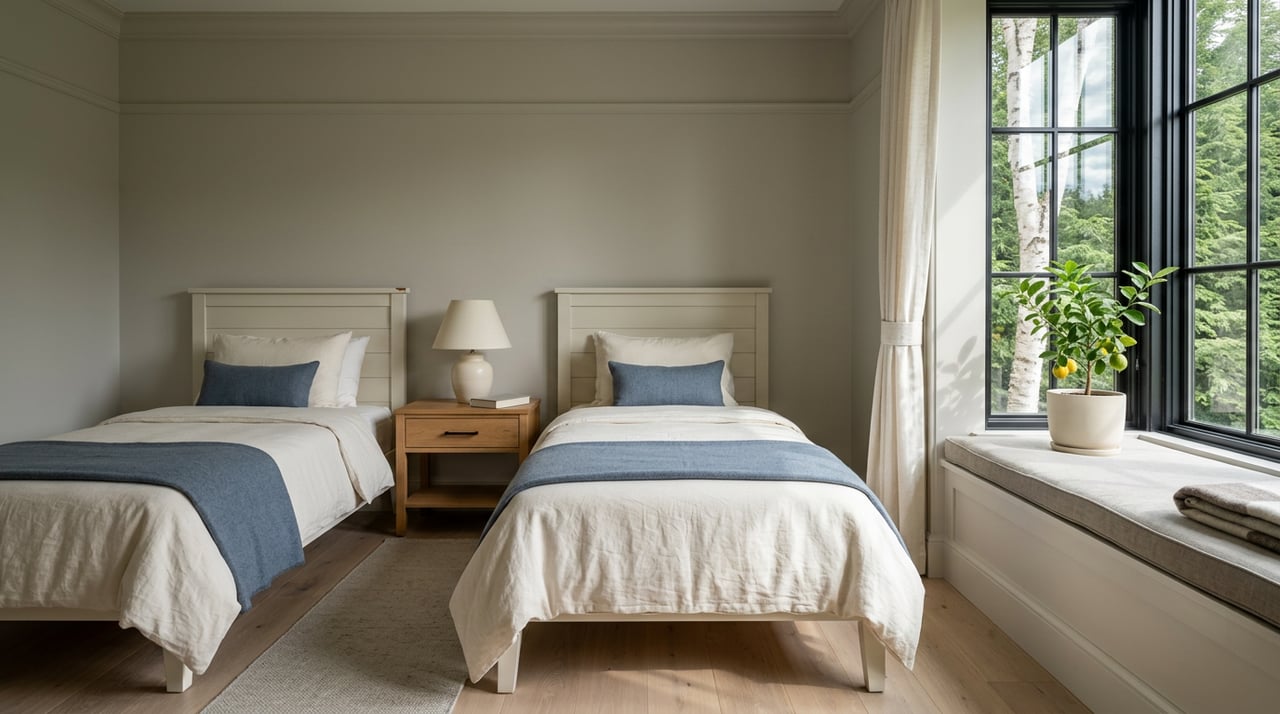
Buying A Sunapee Rental Property In 2026: The Permit That Doesn't Come With The House
August 20, 2026
August 20, 2026
A buyer touring a lake house on West Shore Road hears the pitch: the property grossed close to forty thousand dollars last summer on Airbnb, mostly weekly bookings from June through Labor Day. The number is real. The seller can show the platform statements to prove it. What the number does not prove is that the next owner gets to keep earning it.
In Sunapee, a short-term rental permit belongs to the town's Zoning Ordinance, not to the deed. It is issued to a specific owner, tied to a specific zoning district, and in some cases anchored to a date that has nothing to do with when the house last changed hands. A buyer who prices a lake property based on last year's rental income is pricing a business that may not transfer with the sale.
The deed transfers the house, the land, and the dock. It does not transfer the town's permission to rent that house for stays under thirty days. Under Sunapee's zoning ordinance, Section 4.95, a Short-Term Rental permit runs for twelve months, costs 350 dollars to obtain or renew, and must be posted visibly inside the unit and in every online listing. None of that is automatic for an incoming owner. A new buyer has to apply again, and depending on where the property sits, applying again can mean a straightforward registration or a public hearing in front of the Zoning Board.
That distinction rarely shows up in a listing description. It shows up during diligence, usually after an offer is already in.
In plain terms: a Short-Term Rental permit is not part of what a seller is legally able to hand over at closing. It is a town approval the new owner has to earn on their own, under whatever rules apply on the day they apply.
Sunapee's zoning map decides how hard that second act is. Village, Commercial, and Mixed-Use districts are the most permissive. Outside of those, the rules tighten by district.
| Zoning District | Approval Path For a New Owner | What It Means In Practice |
|---|---|---|
| Village, Commercial, Mixed-Use | Registration only | Fastest path, no zoning hearing required |
| Rural Residential | Special Exception from the Zoning Board | Public hearing, no guaranteed outcome |
| Rural Lands | Variance from the Zoning Board | Higher bar, public hearing, no guaranteed outcome |
A house a mile from the harbor might sit in a district where the current owner registered an STR in an afternoon. A similar-looking house a mile up a dirt road in Rural Lands might require the new owner to petition the Zoning Board and wait for a hearing date, with no promise the board says yes. Two houses, same lake, same rental history, very different odds for the buyer standing at the closing table.
Sunapee's STR ordinance carries a hard cutoff: December 1, 2022. That was the date of the final Selectboard hearing before voters adopted the regulations at Town Meeting the following March. Owners who can show they were already renting short-term between December 2020 and December 2022, and paying the state's Meals and Rooms Tax on those rentals, qualify for what the town calls Preexisting Transient Occupancy status. They still register, but they skip the Special Exception or Variance step even in a restrictive district.
A buyer inheriting that status inherits real value. But status is tied to the operating history of the current owner, documented through tax filings and continuous use, not to the address itself. A seller's word that the house "has always been a rental" is not the same as a file that proves it. Before that number factors into an offer, it is worth asking the seller for the actual STR permit number and the registration history the town has on file, not just the platform's earnings summary.
Sunapee caps how many bedrooms a Short-Term Rental can advertise at the number listed on the property's assessing card, and for homes on septic, at the number of bedrooms the septic system was originally designed and approved for. A finished loft that sleeps four doesn't count as a fourth bedroom for rental purposes unless it was formally assessed as one. Occupancy math follows from there: two guests per bedroom plus one additional person per unit, so a home listed for four bedrooms tops out at nine guests, regardless of how many beds are actually in the house.
That means the income a buyer sees advertised may already be built on a bedroom count the house cannot legally exceed, and expanding it later runs straight into the same septic capacity question that governs any addition on a lake lot.
If the buyer plans to keep the house as a pure investment and not live there, Sunapee's ordinance caps non-owner-occupied rentals at 120 days in any twelve-month period. An owner who lives on site faces no such cap. That single distinction, owner-occupied versus not, is also what triggered the loudest local pushback to the ordinance. In 2024, a group called the Lake Sunapee Short Term Rental Association organized against the rule, arguing it restricted how owners could use their own property; the Valley News covered the fight in detail as the town moved toward a public vote. The regulations that emerged from that fight are the ones a buyer inherits today, cap and all.
For an absentee investor, that 120-day ceiling is the real number to underwrite against, not the seller's best season.
A rental income figure on a Sunapee listing is a historical fact about the current owner's summer. Whether it is a reliable forecast for the next owner depends on a short list of things worth confirming before that number shapes an offer:
None of this requires a lawyer to check. It requires a phone call to Town Hall and a request for documents that either exist or don't.
The house is the collateral. The rental income is a license, and licenses in Sunapee reset with new ownership more often than buyers expect. A property in the Village district with documented Preexisting status and an owner who lives on site is a very different asset than a similar-looking house in Rural Lands with a rental history that started in 2023. Both might show the same trailing twelve months of Airbnb revenue. Only one of them hands that revenue to whoever buys it next without a public hearing in between.
Does the Short-Term Rental permit fee follow the property or the current owner? It follows the owner. A new owner pays the 350 dollar fee and goes through registration again, regardless of what the previous owner paid or when they last renewed.
Can a buyer rent out an accessory dwelling unit short-term in Sunapee? Only if the owner is in residence during the rental. An ADU rented while the owner is away is treated differently under the ordinance.
Does the town inspect a property before issuing an STR permit? No. Sunapee does not currently require an on-site inspection to register a Short-Term Rental, which means the permit confirms zoning eligibility, not the physical condition of the house.
If a Sunapee property with rental history is on your list, the numbers on the listing sheet are a starting point, not a settled outcome. Working through the zoning district, the grandfather status, and the septic-based bedroom cap before you write an offer is the difference between buying a house with a rental history and buying the right to build one of your own. Tracy Nangeroni works this market year-round and can walk through what a specific Sunapee address would actually require before you make it official. Let's Connect.
Stay up to date on the latest real estate trends.
I take a thoughtful, client-first approach to every transaction, providing clear guidance, strategic insight, and attention to detail so you can move forward with confidence—whether you're buying or selling in the Sunapee region.