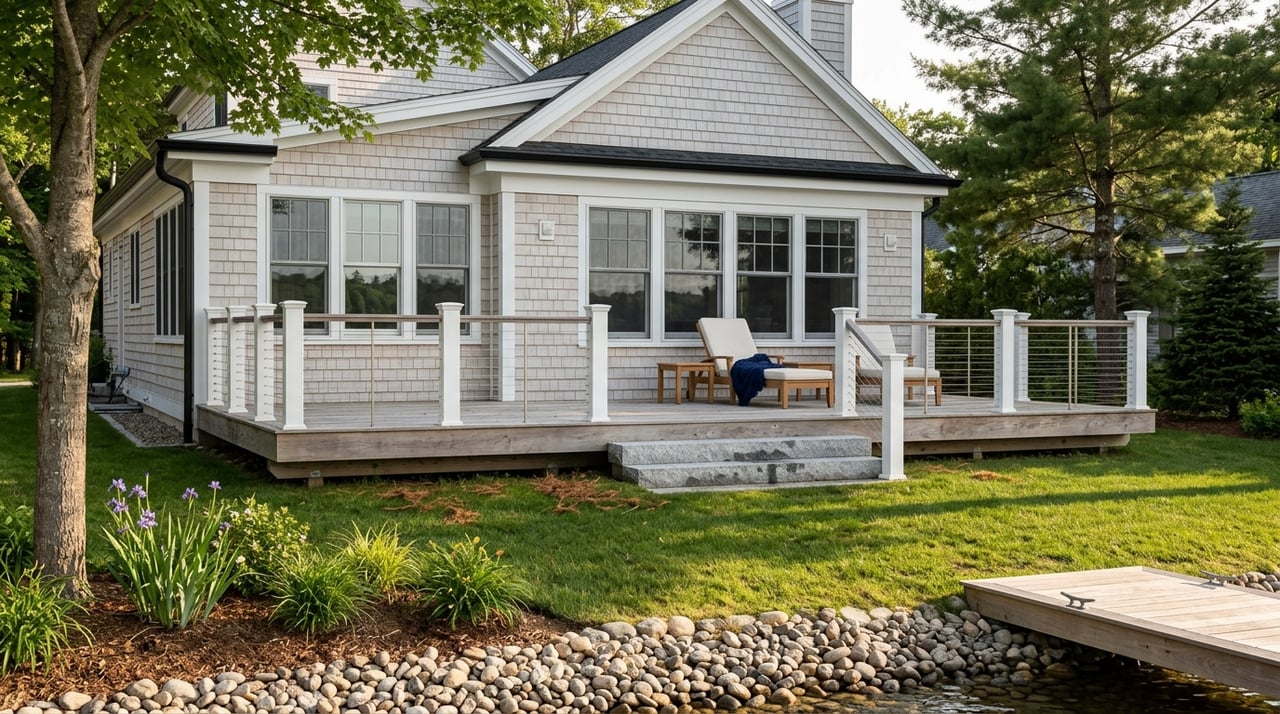
Lake Sunapee Waterfront Homes: What Ownership Involves
May 21, 2026
May 21, 2026
What if your dream lake house came with more than just a view? On Lake Sunapee, waterfront ownership can deliver classic New Hampshire lake living, but it also comes with seasonal routines, shoreline rules, and a real stewardship mindset. If you are thinking about buying a waterfront home in Sunapee, this guide will help you understand what makes the lifestyle so appealing and what responsibilities usually come with it. Let’s dive in.
Lake Sunapee is one of New Hampshire’s largest lakes, with about 4,155 acres of water, 11 islands, and an 8.1-mile length. The watershed covers six towns and about 47 square miles, which gives the lake a broad regional presence and a strong sense of place. For many buyers, that scale is part of the appeal.
The setting also feels active and visible in a way some waterfront areas do not. The Lake Sunapee Protective Association describes five ramps around the lake, and its Lake Host program staffs them from May through September to help prevent aquatic invasive species. In 2025 alone, that program logged 5,399 inspections, which speaks to how closely the lake is managed.
If you are drawn to a four-season lifestyle, Sunapee offers that too. Mount Sunapee’s 2024-2025 operating plan lists warm-weather activities like hiking, mountain biking, disc golf, and an aerial challenge course, while winter use centers on alpine skiing and snowboarding. That mix can make a waterfront home feel useful well beyond the summer months.
Another major draw is water quality. According to the Lake Sunapee Protective Association, Lake Sunapee continues to support exceptionally high water quality, and cyanobacteria blooms remain rare. For buyers, that is not just a technical detail. It is part of what supports the day-to-day enjoyment of being on the water.
A Lake Sunapee waterfront home often offers direct access, scenery, and a strong connection to the lake. At the same time, it is usually less simple than owning a standard residential property. The lake, shoreline, and boating access are all shaped by rules and seasonal patterns that owners need to understand.
One of the biggest examples is lake level management. The target water level range is 1,108.5 feet to 1,111.5 feet, and the Sunapee Harbor dam is opened in early October to lower the lake a few feet. Full drawdown is usually reached by February or March, which means docks, lifts, and shoreline use follow a regular seasonal cycle.
For many buyers, this is not a downside. It is simply part of learning how the lake works. Still, it is important to know that your use of the property may look different in July than it does in late fall or winter.
If your vision of lake life includes keeping a boat close at hand, it is smart to verify the details early. On Lake Sunapee, moorings are regulated by New Hampshire law. A mooring permit is required, and the general rule is no more than one mooring adjacent to a shorefront property unless an exception applies.
That means a waterfront property does not automatically give you unlimited flexibility on the water. If a home has an existing dock, mooring, or boat setup, you will want to confirm what is legally permitted and what approvals are already in place. This is especially important if your intended use is different from the current owner’s setup.
Sunapee also regulates certain commercial uses of the town launch or dock. The town requires an annual Boat Launch & Dock Use Permit for commercial operators involved in activities such as boat rentals, concierge services, sales and deliveries, repairs, and off-season storage. If you are considering any use beyond standard personal enjoyment, that distinction matters.
Waterfront property on Lake Sunapee is subject to tighter oversight than a typical inland lot. New Hampshire’s Shoreland Water Quality Protection Act applies within 250 feet of lakes and ponds over 10 acres. It sets minimum standards related to setbacks, vegetation, septic systems, and impervious surfaces.
At the local level, Sunapee’s zoning ordinance also defines a Shoreline Overlay District within 250 feet of the shoreline. In that district, construction and land disturbance require erosion and sedimentation control plans. For buyers, this matters because even a project that seems modest may involve additional review.
Sunapee’s ordinance also notes that beach and dock construction may be permitted, but shoreline alterations still require a permit from the New Hampshire Wetlands Bureau. Depending on the scope of the work, some projects may also connect to state septic, subdivision, and terrain-alteration permits. In practical terms, that means waterfront improvements often require more planning than buyers expect.
On Lake Sunapee, septic maintenance is not something to put off. The Lake Sunapee Protective Association says Sunapee adopted a local rule in March 2023 requiring developed shoreline properties with septic systems to be pumped at least once every three years. That is a concrete example of how lakefront ownership includes ongoing care, not just seasonal fun.
This local rule also reflects a broader concern. The Lake Sunapee Protective Association reports that the New Hampshire Department of Environmental Services has documented septic failures every year since at least 2015 in every town with shoreline on Lake Sunapee. For homeowners, routine maintenance helps protect both your property and the lake itself.
Stewardship goes beyond septic systems. The Watershed Wise program recommends erosion control, stormwater management, preserving waterfront buffers, and reducing the use of road salt, fertilizer, herbicide, and pesticide. If you own on the lake, these practices are part of being a good long-term caretaker of the shoreline.
On some lakes, invasive species prevention feels occasional. On Lake Sunapee, it is built into the culture of ownership and use. The Lake Host program is specifically designed to help prevent the spread of aquatic invasive species, and the Invasive Watch program monitors the shoreline.
The reason for that vigilance is clear. The Lake Sunapee Protective Association notes that variable milfoil was discovered in 2001 and later eradicated from Georges Mills and Sunapee Harbor. That history shows why inspections, monitoring, and prevention remain such a visible part of life around the lake.
For buyers, this means you are stepping into a community that values the long-term health of the water. That can be a real positive, especially if you want your investment and your enjoyment of the property to hold up over time.
The best way to think about owning a Lake Sunapee waterfront home is that you are trading some simplicity for something special. You get access, scenery, and a classic summer-on-the-water lifestyle in one of New Hampshire’s most closely watched lake environments. In return, you take on seasonal planning, maintenance, and a higher level of awareness around permits and shoreline care.
For many buyers, that trade is well worth it. The lake offers a rare combination of recreation, water quality, and four-season appeal. But it helps to go in with a clear picture of what ownership actually involves.
That is especially true if you hope to make changes after closing. If a property’s value to you depends on a dock, mooring, shoreline project, or a specific kind of access, those details should be checked early in your search. On Lake Sunapee, the right property is not just about the house itself. It is also about what the site legally and practically allows.
Waterfront purchases often involve more moving parts than traditional home buying. You may need to look closely at shoreline restrictions, septic requirements, lake-level patterns, and existing boating arrangements, all while weighing the home’s year-round use and long-term value. That is where hyperlocal guidance can make a real difference.
If you are considering owning a Lake Sunapee waterfront home, working with someone who knows the lake, the town, and the local market can help you ask better questions before you commit. A thoughtful approach can save time, reduce surprises, and help you focus on properties that truly fit the way you want to live.
When you are ready to explore waterfront homes in Sunapee or talk through what to look for, Tracy Nangeroni can help you navigate the process with local knowledge, clear guidance, and a calm, client-first approach.
Stay up to date on the latest real estate trends.
I take a thoughtful, client-first approach to every transaction, providing clear guidance, strategic insight, and attention to detail so you can move forward with confidence—whether you're buying or selling in the Sunapee region.